In the rapidly evolving landscape of wellness, few compounds have garnered as much attention as Berberine. Often dubbed “Nature’s Ozempic” on social media platforms, this bioactive alkaloid—extracted from plants like goldenseal and barberry—is celebrated for its profound impact on blood sugar, metabolism, and lipid profiles.
However, a significant hurdle has long plagued oral berberine: poor bioavailability and gastrointestinal distress. Enter Berberine Patches. This advanced transdermal delivery system promises to bypass the digestive tract, delivering the benefits of berberine directly into the bloodstream. In this in-depth analysis, we explore the science, benefits, and practical applications of berberine patches, providing a detailed resource for those looking to optimize their metabolic health in 2026.


What Are Berberine Patches?
Berberine patches are adhesive patches worn on the skin that release small amounts of berberine and other ingredients over several hours for systemic or local effects. Brands like Kind Patches and Purisaki present them as metabolic balance or “GLP‑1‑inspired” weight management tools that help regulate appetite, cravings, blood sugar, and fat metabolism.
Key brands and concepts
-
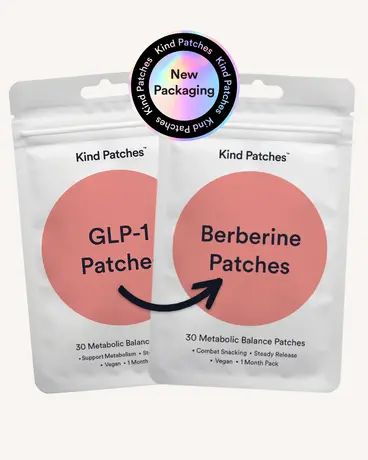
Kind Patches Berberine Patches (formerly Weightless): Botanical patches with berberine extract, pomegranate, and cinnamon, plus B vitamins, glutamine, and chromium, promoted as a simple daily addition to support weight management and metabolic health.
-
Berberine Patches UK / CA: “Metabolic balance” or “GLP‑1 patches” sites that emphasize berberine‑based patches for blood sugar, weight control, and appetite regulation with a 30‑day supply format.
-
Purisaki Berberine Patches: Widely advertised transdermal patches combining berberine with fucoxanthin, green tea, African mango, pomegranate oil, and vitamins for appetite, cravings, and fat-burning support.
These products sit in the wellness/supplement category: they are not approved medications, and their marketing materials usually state that they are intended to complement, not replace, medical treatment.
The Science of Berberine: The “Metabolic Master Switch”
To understand the value of the patch, one must first understand the molecule. Berberine’s primary mechanism of action is the activation of an enzyme called AMP-activated protein kinase (AMPK).
What is AMPK?
Found in every cell of the body, AMPK acts as a “metabolic master switch.” When activated, it triggers a cascade of physiological benefits:
-
Enhanced Insulin Sensitivity: It makes the body’s cells more receptive to insulin, allowing glucose to enter cells for energy rather than remaining in the blood.
-
Fat Oxidation: AMPK signals the body to burn stored fat (lipolysis) for fuel.
-
Mitochondrial Biogenesis: It promotes the creation of new mitochondria, the energy powerhouses of the cells, which can boost overall metabolic rate.
While oral supplements are common, researchers have noted that only about 1% to 5% of oral berberine is actually absorbed. The rest remains in the gut, where it can cause the bloating, cramping, and diarrhea frequently reported by users.
How Berberine Patches Claim To Work?

1. Transdermal delivery
Patches adhere to clean skin and gradually release active ingredients into the upper layers, from where they can diffuse into local circulation. Claimed advantages compared with capsules include:
-
No need to swallow pills or deal with digestive side effects
-
More consistent, slow release rather than a single large oral dose
-
Convenience: “stick and forget” for 8–24 hours depending on the brand
2. Berberine’s metabolic actions (from oral data)
Berberine itself is a plant alkaloid found in several herbs (e.g., Berberis, Coptis) that has been studied mainly in oral form. Human and animal trials of oral berberine suggest it may:
-
Support modest weight loss (often a few kilograms) when combined with diet changes
-
Help improve insulin sensitivity and fasting blood glucose in some people
-
Modestly lower total cholesterol and triglycerides
-
Influence gut microbiota and metabolic signaling pathways such as AMPK.
3. Synergistic ingredients
Most commercial berberine patches include additional ingredients aimed at complementing berberine’s metabolic profile:
-
Cinnamon extract and chromium are commonly used for blood sugar and insulin support in supplements.
-
Pomegranate extract/oil, green tea, fucoxanthin, African mango: ingredients marketed for fat oxidation, abdominal fat reduction, and appetite regulation.
-
B‑vitamin complex and L‑glutamine: support energy metabolism, mood, and craving control.
The idea is that steady, low‑dose delivery of this blend may:
-
Help stabilize appetite and reduce snacking
-
Support balanced blood sugar and energy levels
-
Encourage a shift from fat storage to fat burning when combined with diet and exercise.
Why Transdermal? The Advantages of Berberine Patches
The shift toward Berberine Patches (such as those from Kind Patches or Purisaki) represents a strategic move in nutraceutical engineering. Transdermal delivery offers several key advantages over traditional pills:
1. Bypassing “First-Pass” Metabolism
When you swallow a capsule, it must survive the harsh acidic environment of the stomach and then pass through the liver before reaching systemic circulation. This “first-pass” effect significantly degrades the potency of berberine. Patches deliver the alkaloid through the dermis, entering the capillary bed directly.
2. Reduced Gastrointestinal Side Effects
The most common complaint with oral berberine is GI upset. Because the patch avoids the digestive tract entirely, users can often achieve metabolic benefits without the “stomach flu” sensations associated with high-dose oral intake.
3. Sustained Release Technology
Oral supplements create a “spike and crash” in blood levels. Berberine patches are designed with a controlled-release matrix. This ensures a steady, low-level infusion of the compound over 8 to 24 hours, maintaining more stable blood sugar levels throughout the day and night.

A Deep Dive into Key Ingredients:
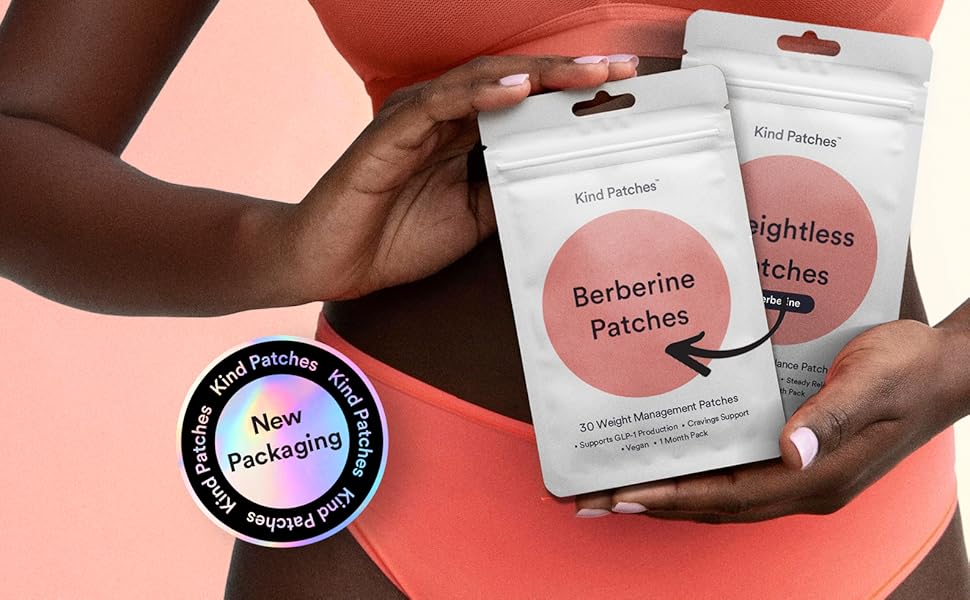
Modern berberine patches, like the Kind Patches formula, often combine berberine with complementary ingredients to create a synergistic metabolic effect.
| Ingredient | Role in Metabolic Health |
| Berberine Extract | The primary driver activates AMPK and supports glucose metabolism. |
| Cinnamon Extract | Mimics insulin and helps stabilize post-meal blood sugar spikes. |
| Chromium Picolinate | An essential trace mineral that enhances the action of insulin. |
| Pomegranate Extract | Rich in antioxidants that protect the cardiovascular system from oxidative stress. |
| L-Glutamine | Supports gut health and may help reduce sugar cravings. |
Benefits Marketed For Berberine Patches:
Across berberine patch reviews, the advertised benefits cluster around metabolism, weight, and appetite:
-
Support for healthy weight management: Complementing diet and activity by encouraging fat burning and reducing fat storage rather than promising dramatic weight‑loss alone.
-
Appetite and craving control: Helping reduce snacking, late‑night eating, and emotional cravings, making calorie control easier.
-
Blood sugar and metabolic balance: Supporting more stable energy levels and fewer post‑meal spikes when used alongside a balanced diet.
-
Convenient, pill‑free routine: One patch a day, worn for hours, with no need to remember multiple capsules.
-
Non‑stimulant formula: Many berberine patches emphasize they are caffeine‑free and rely on plant actives rather than strong stimulants.
Customer reviews collected in the independent patch reviews report:
-
Some users feel less hungry and snack less within 1–2 weeks
-
Perceived improvements in energy stability and “food noise.”
-
Gradual, modest changes in body weight or waistline when combined with diet changes.
User Experience: How to Apply for Maximum Efficacy
To get the most out of your berberine patches, follow these expert-recommended steps:
-
Placement Matters: Apply the patch to a clean, dry, hairless area of skin with minimal movement. The inner wrist, shoulder, or hip is ideal.
-
Rotation: Do not apply a new patch to the same spot as the previous one. Rotate locations to prevent skin irritation.
-
Consistency: Most transdermal products require 12 to 24 hours of wear time. For best results, incorporate it into your morning routine and wear it until the following day.
-
The “2-3 Week” Rule: While some notice reduced cravings within days, structural metabolic changes (like weight loss or A1c shifts) usually require 4 to 8 weeks of consistent use.


Safety, Side Effects And Regulatory Status
Berberine patches are sold as OTC wellness or cosmetic products, not as regulated medicines.
Possible side effects
Reports and expert commentary mention:
-
Skin irritation: redness, itching, contact dermatitis, burns, or blisters in some users, potentially due to adhesives, latex, or botanical ingredients.
-
Allergic reactions: people sensitive to berberine, plant extracts (e.g., cinnamon, mango, pomegranate), or patch materials may react locally.
-
Unknown systemic effects: because human data on transdermal berberine are lacking, long‑term systemic safety is uncertain.
Who should be cautious or avoid them?
Based on berberine and weight‑management guidance:
-
Pregnant or breastfeeding women should avoid berberine due to a lack of safety data and potential risks.
-
People with diabetes on medication, blood‑pressure drugs, anticoagulants, or other chronic therapies should talk to their doctor before using any berberine product due to possible interactions.
-
Individuals with a history of skin allergies or eczema should patch‑test and be cautious with adhesive products.
-
Those with serious obesity or metabolic disease should not replace prescribed treatments with patches promoted online.
Brief FAQs About Berberine Patches:
Q. What are berberine patches used for?
Berberine patches are marketed to support weight management, appetite regulation, healthy blood sugar and overall metabolic balance via slow release of berberine and other plant‑based actives through the skin. They are intended as a complement to diet and exercise, not as a stand‑alone weight‑loss cure.
Q. Are Berberine Patches as effective as “Nature’s Ozempic” pills?
Yes, and in many cases, they are considered superior due to higher absorption rates. While the total milligrams in a patch may be lower than a pill, the bioavailable amount that reaches your cells is often higher because it isn’t destroyed by digestion.
Q. Do berberine patches really work?
There is modest evidence that oral berberine can support small improvements in weight and metabolic markers, but there is no clinical research proving that berberine patches themselves cause significant weight loss or metabolic changes. Any benefits from patches are extrapolated from oral data and user reports, so expectations should remain cautious.
Q. Can I use berberine patches if I am on Metformin?
Caution is required. Both berberine and Metformin lower blood sugar. Combining them can lead to hypoglycemia (dangerously low blood sugar). Always consult your doctor before mixing supplements with prescription diabetes medications.
Q. Are berberine patches safe?
These patches are usually plant‑based and non‑stimulant, but they are not risk‑free. Reports describe skin irritation, burns, and blisters with some GLP‑1/berberine patch products, and the long‑term systemic safety of transdermal berberine is not well studied. People with sensitive skin, allergies, chronic disease, or medications should consult a healthcare professional before use.


Q. Why do some people call it “GLP-1” support?
Recent research indicates that berberine may naturally stimulate the secretion of GLP-1 (Glucagon-like peptide-1), the same hormone targeted by weight-loss injections. While it is not a hormone itself, it supports the body’s natural production of it.
Q. Who should avoid berberine patches?
Pregnant or breastfeeding women, people with liver or kidney disease, individuals on medications for diabetes or blood pressure, and those with known skin allergies or sensitivity to adhesives or botanicals should avoid or only use patches under medical supervision. Anyone with serious obesity or metabolic disorders should prioritize evidence‑based medical care.
Q. Can I wear the patch while exercising or showering?
High-quality patches (like Purisaki) are water-resistant. However, excessive sweating or long hot baths may loosen the adhesive. If you are very active, consider applying the patch after your workout and shower.
The Bottom Line: Is the Patch Right for You?
Berberine Patches represent the next generation of metabolic support. By solving the “bioavailability puzzle,” they provide a potent, convenient, and stomach-friendly way to harness one of nature’s most powerful alkaloids. Whether your goal is to manage a “sugar tooth,” support a weight loss journey, or optimize your cardiovascular markers, the transdermal route offers a sophisticated alternative to traditional supplementation.

