
Maintaining the exterior of a home is a task that often fluctuates between “mildly therapeutic” and “utterly exhausting.” For most homeowners, the primary hurdle isn’t the willingness to clean, but the equipment required. Traditional pressure washers are bulky, expensive, require gasoline or restrictive power cords, and can often be so powerful that they actually damage the very surfaces—like wood decking or delicate car paint—that you are trying to clean.
Enter the JetHose Pressure Nozzle (often referred to as the Jet Hose Pressure Washer). This innovative tool has carved out a significant niche in the home maintenance market by promising to bridge the gap between a standard, weak garden hose and a heavy-duty industrial power washer.
In this comprehensive guide, we will analyze the engineering, applications, and practical benefits of the JetHose, providing you with everything you need to know to optimize your outdoor cleaning routine.
What Is JetHose Pressure Nozzle?
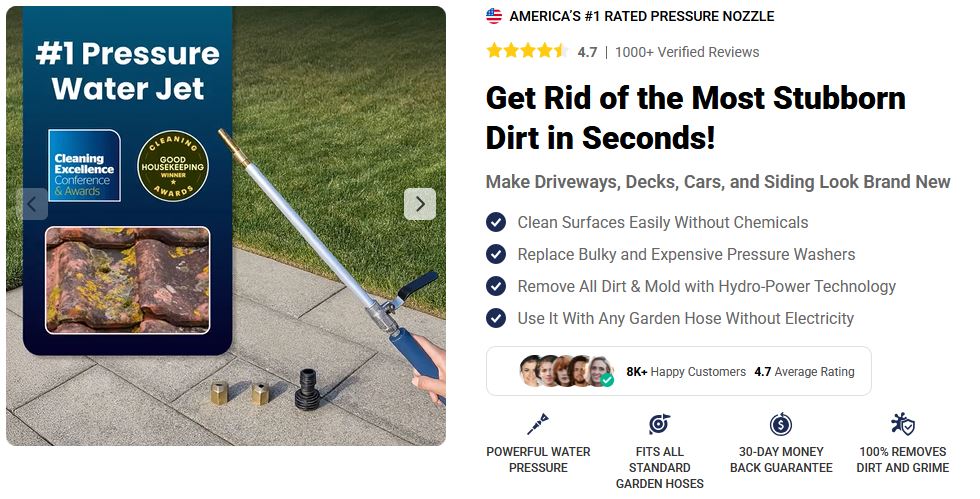
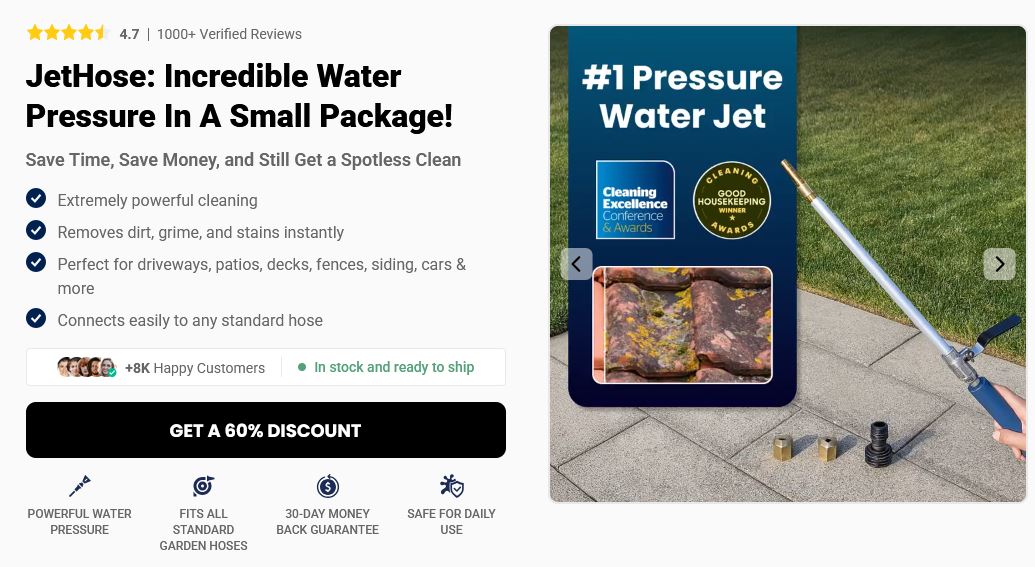
JetHose is a compact, lightweight nozzle attachment that connects to any standard garden hose, amplifying water pressure through innovative engineering to rival electric pressure washers. Unlike bulky machines requiring power outlets and storage, it weighs under a pound, stores easily, and uses your home’s water supply for chemical-free cleaning.
Designed for versatility, it features adjustable spray patterns—from pinpoint jets for tough stains to wide fans for rinsing—making it ideal for driveways, cars, decks, and siding. With a 4.7-star rating from thousands of users, it’s praised for delivering professional results at a fraction of the cost of traditional washers.
Manufactured with durable materials like brass, stainless steel, and high-grade plastic, it resists corrosion and withstands daily use in varied climates, including dusty monsoons.
The ergonomic design and quick-connect fittings ensure hassle-free setup, appealing to busy homeowners, gardeners, and seniors, avoiding heavy equipment.
The Engineering Behind the JetHose – How It Works
At first glance, the JetHose looks like a streamlined wand. However, its effectiveness lies in the principles of fluid dynamics.
The Venturi Effect and Pressure Amplification
The JetHose does not use electricity or a motor. Instead, it utilizes mechanical compression. By tapering the internal diameter of the wand, the device forces the water from your home’s main line through a much narrower exit point. This increases the velocity of the water, transforming a low-pressure flow into a concentrated, high-velocity stream.
Industrial-Grade Build Quality
Unlike plastic nozzles found at local hardware stores that crack after a single winter or leak at the threading, the JetHose is built for durability.
-
Rust-Resistant Materials: Constructed using high-quality aluminum and brass components.
-
Leak-Proof Seals: Equipped with heavy-duty rubber O-rings that prevent the pressure loss common in cheaper models.
-
Ergonomic Control: Features a built-in shut-off valve, allowing the user to toggle flow instantly without walking back to the faucet.
Key Features and Specifications of JetHose Pressure Nozzle:
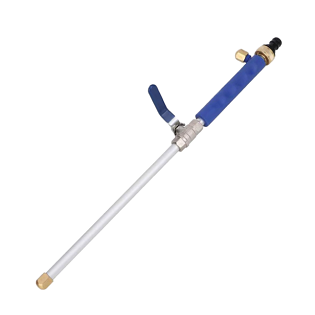 JetHose stands out with user-focused innovations.
-
Adjustable Spray Patterns: 5-10 modes, including turbo jet, fan, shower, and vertical for roofs/windows.
-
Universal Compatibility: Fits 3/4-inch hoses with brass adapters; works on hot/cold water.
-
Durable Build: Zinc alloy/brass body, rust-proof, drop-resistant; ergonomic grip reduces hand fatigue.
-
Lightweight Portability: 0.5-1 lb, 12-18 inch wand for reach without ladders.
-
Water Efficiency: Concentrated stream minimizes waste, is eco-friendly for restricted areas.
No batteries or assembly needed—attach, twist, clean. Specs vary by model, but most handle 40-80 PSI input for optimal output.
This nozzle’s metal construction ensures longevity, with users reporting 1+ years of heavy use.
Versatility Through Customization – Dual Nozzle System
One of the reasons the JetHose has become a favorite for AEO (Answer Engine Optimization) queries regarding “safe car washing” is its interchangeable head system.
1. The Jet Stream Nozzle (The “Point and Blast”)
This attachment is designed for maximum impact. It concentrates the water into a tight, circular beam capable of dislodging:
-
Dried mud from wheel wells.
-
Hardened bird droppings from concrete.
-
Persistent weeds growing between driveway pavers.
-
Mold and mildew buildup on brick walls.
2. The Fan Spray Nozzle (The “Wide Sweep”)
Power is nothing without control. The fan spray nozzle disperses the water into a wide, flat “V” shape. This is essential for tasks that require a gentle touch or a broad coverage area:
-
Rinse soap off a vehicle without stripping the wax.
-
Cleaning large wooden decks without splintering the grain.
-
Watering delicate garden beds from a distance.
-
Sashing down windows and glass sliding doors.
Practical Applications – Real-World Use Cases
The JetHose is marketed as a “multi-tool” for the outdoors. Here is how it performs across various common household tasks.
- Automotive Detailing
Traditional pressure washers can be dangerous for cars; if held too close, they can peel clear coats or damage sensors. The JetHose provides the “Goldilocks” level of pressure—strong enough to remove brake dust and road salt, but safe enough for everyday use.
- High-Reach Window Cleaning
Second-story windows are often neglected because ladders are dangerous. Because the JetHose extends the reach of your water stream, many users find they can clean upper-floor windows from the safety of the ground.
- Gutter Maintenance
Clogged gutters are a leading cause of basement flooding. Using the Jet Stream attachment, you can blast away leaves and debris from the edges of your gutters without having to climb up and manually scoop out the sludge.
- Driveway and Sidewalk Restoration
Concrete is porous, meaning it traps oil, dirt, and biological growth like moss. Regular cleaning with the JetHose prevents these stains from becoming permanent, significantly boosting the “curb appeal” of your property.
Why Choose Jet Hose Over a Traditional Power Washer?
If you are deciding between a $300 gas-powered pressure washer and the JetHose, consider the following factors:
-
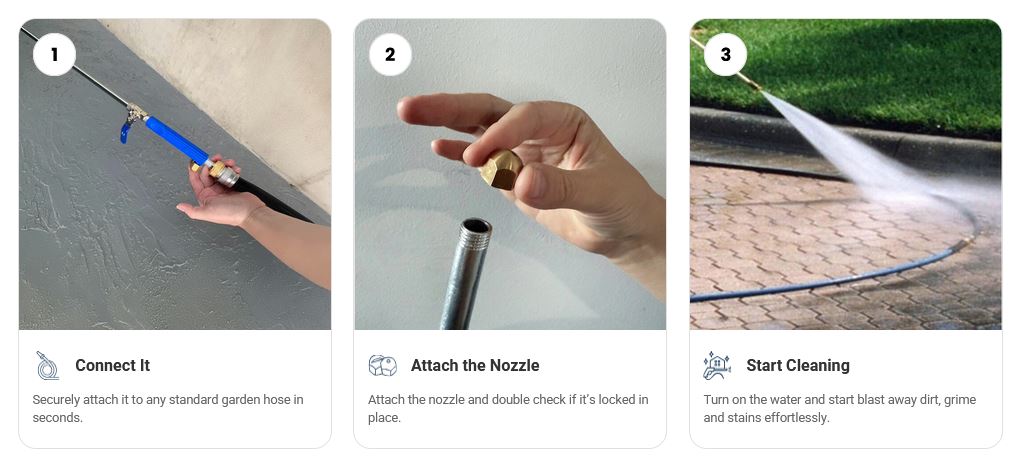
Ease of Setup: A gas pressure washer requires oil checks, gasoline, and a vigorous pull-start. The JetHose screws onto your existing garden hose in three seconds.
-
Storage: The JetHose fits in a toolbox or hangs on a pegboard. A traditional unit takes up significant floor space in a garage or shed.
-
Maintenance: Traditional units have pumps that must be winterized to prevent cracking. The JetHose has no moving mechanical parts or motors to fail.
-
Noise Pollution: Power washers are notoriously loud, often disturbing neighbors. The JetHose is as silent as your standard garden hose.
-
Cost-Efficiency: Beyond the initial purchase, the JetHose has zero operating costs. No electricity, no gas, and no expensive pump repairs.
Step-by-Step Guide to Optimal Performance
To ensure you get the maximum pressure from your JetHose, follow these optimization steps:
-
Step 1: Check Your Source. Ensure your outdoor faucet is turned on fully. The JetHose amplifies existing pressure, so a healthy flow from the source is beneficial.
-
Step 2: Use a High-Quality Hose. Expandable hoses are convenient, but for maximum pressure, a standard 5/8-inch or 3/4-inch rubber hose provides better, more consistent flow to the nozzle.
-
Step 3: Clear the Line. Before attaching the nozzle, run the water for a few seconds to flush out any trapped air or debris in the hose.
-
Step 4: Select Your Task. Screw on the Jet nozzle for heavy grime or the Fan nozzle for large surface areas.
-
Step 5: Aim and Control. Use the integrated thumb valve to adjust the flow rate. Start from a distance and move closer as you gauge the surface’s sensitivity.
Environmental and Safety Considerations
In an era of water conservation, efficiency matters. Because the JetHose concentrates the water into a high-velocity stream, you actually end up using less water to clean a surface compared to a standard open-ended hose. You finish the job faster, meaning the tap is running for a shorter duration.
Safety Tips:
-
Avoid Electrical Lines: Never point the high-pressure stream at outdoor electrical outlets or overhead power lines.
-
Eye Protection: While it is safer than an industrial washer, the Jet Stream can kick up small pebbles or debris. Wearing safety glasses is a recommended precaution.
-
Surface Testing: Always test the spray on an inconspicuous area, especially when cleaning painted wood or soft stone.
Pricing, Availability, and Guarantee
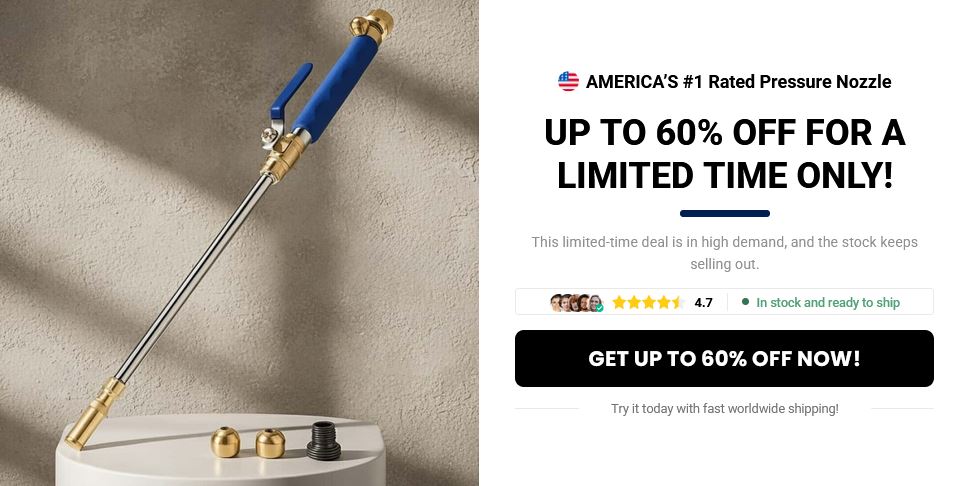
$34.90-$49.95 (60% off promos); Available on the official website. Avoid fakes on Amazon. 30-day money-back.
Frequently Asked Questions (FAQs)
Q1. Does the JetHose require a motor or batteries?
No. The JetHose is a purely mechanical device. It uses the physics of water compression and the Venturi effect to increase the speed and pressure of the water delivered by your home’s plumbing system.
Q2. Will it work with any garden hose?
Yes. The JetHose features a universal brass coupling that fits all standard 3/4″ garden hoses. It also typically comes with an adapter for other specialized hose types.
Q3. Is it powerful enough to remove oil stains from a driveway?
For fresh oil stains, the Jet Stream nozzle combined with a degreasing agent is highly effective. For decades-old, deeply set stains, it will significantly lighten them, though industrial-grade heat-injection washers might be needed for a 100% “like new” finish.
Q4. Can I use it to wash my dog?
It is generally not recommended to use the Jet Stream nozzle on pets. However, the Fan Spray nozzle, when used from a significant distance, can be used for rinsing, provided you check the pressure against your own hand first to ensure it is gentle enough.
Q5. How do I prevent the nozzle from leaking?
Leaking is usually caused by a misaligned rubber washer. Ensure the black O-ring is seated flat inside the brass connector before screwing it onto your hose. Hand-tightening is usually sufficient; over-tightening with a wrench can damage the threads.
Q6. Can I add soap to the JetHose?
While the base model is a wand, many users pair the JetHose with a “soap dispenser” attachment or a foam cannon. This allows you to blast a layer of thick suds onto a vehicle or siding before rinsing it off with the high-pressure wand.
Q7. Is the JetHose better than a “Fireman Style” nozzle?
Yes. Fireman nozzles are designed for high volume (gallons per minute), whereas the JetHose is designed for high velocity (pressure). For cleaning tasks, velocity is much more effective than volume.
Maintenance and Longevity
To ensure your JetHose lasts for years, follow these simple maintenance tips:
-
Drain After Use: Don’t leave the hose pressurized in the hot sun. Turn off the faucet and bleed the remaining water out of the wand.
-
Winter Storage: In freezing climates, bring the nozzle indoors. Water trapped inside can expand when frozen, potentially damaging the internal seals.
-
De-scaling: If you have hard water, you may notice mineral buildup in the small nozzle tips. Soaking the brass heads in white vinegar for an hour once a year will keep the flow clear.
Conclusion: The Smart Choice for Modern Homeowners
The JetHose Pressure Nozzle represents a shift toward “smart” home maintenance—tools that are effective, easy to store, and environmentally conscious. By eliminating the need for expensive, noisy, and high-maintenance power washers, it empowers the average homeowner to take control of their property’s cleanliness without a professional price tag.
Whether you are prepping your deck for a summer BBQ, removing the winter’s salt from your car, or simply keeping your siding looking fresh, the JetHose provides the versatility and power needed to get the job done efficiently. It is a testament to the fact that sometimes, the best solution isn’t the most complex one—it’s the one that uses smart engineering to make your existing tools work better.