
For decades, home cooks have been forced to choose between the aesthetic appeal of wood, the affordability of plastic, or the durability of bamboo. Yet, each of these materials comes with a hidden cost. Wood requires constant oiling and can harbor bacteria in deep knife grooves. Plastic, while cheap, sheds thousands of microplastic particles into your food every year—a silent health hazard that many are only now beginning to understand.
Exploding in popularity across social media and kitchen gadget forums in 2024 and 2025, the KatuChef Titanium Cutting Board promises to solve the “cutting board dilemma” once and for all. It claims to be antibacterial, indestructible, and completely free of microplastics. But does it truly live up to the hype? Can a metal cutting board really be “knife-friendly”?
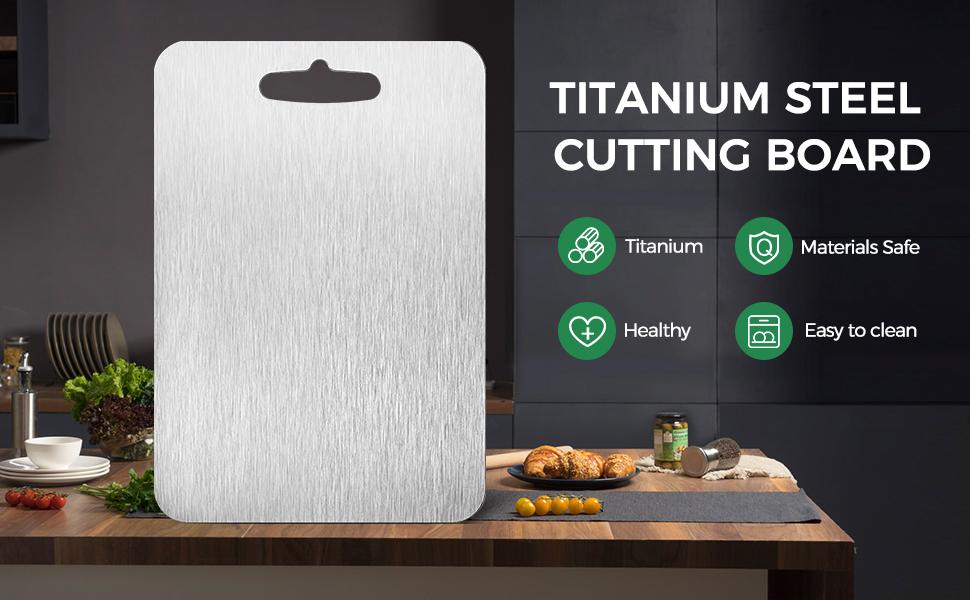
Why KatuChef Titanium Cutting Board Dominates Kitchen Trends?
Kitchen innovations like the KatuChef address common frustrations: warped wooden boards that harbor bacteria, brittle plastics that dull knives, and heavy glass that chips edges. Crafted from medical-grade titanium alloy, this board weighs minimally despite its strength, allowing for easy handling of vegetables, meats, or fruits during meal prep without fatigue. Its sleek metallic finish complements stainless steel appliances, while the reversible design—one side for produce, the other for proteins—minimizes cross-contamination risks, a key concern in family kitchens.
User feedback highlights its real-world edge: no lingering garlic smells, heat resistance for resting hot pans, and a smooth texture that glides knives effortlessly, extending blade life compared to rougher surfaces. Optimized for SEO queries like “antibacterial cutting board reviews” or voice searches such as “is a titanium cutting board safe,” it appeals to eco-minded shoppers seeking sustainable, long-lasting replacements that reduce waste from disposable boards.
Core Features and Technical Specifications:
The KatuChef packs premium specs into a versatile tool, targeting long-tail keywords like “KatuChef titanium board sizes” and “dishwasher safe titanium cutting board.”
-
100% Food-Grade Titanium Build: Non-porous and naturally antimicrobial, killing 99.9% of bacteria without coatings; resists warping, rust, or discoloration.
-
Double-Sided Functionality: Front for delicate fruits/veggies, back for meats; thick enough to avoid flexing under heavy chopping.
-
Knife-Friendly Surface: Smooth titanium preserves sharp edges, unlike glass or hard plastics; supports all blade types from cleavers to paring knives.
-
Lightweight and Portable: Under 2 lbs for most sizes, with non-slip feet for stability on wet counters.
-
Advanced Design Elements: Angled juice grooves channel liquids into built-in compartments, reducing mess; heat-resistant up to 500°F.
-
Easy Maintenance: Dishwasher-safe, quick-drying, odor-proof; no need for oils or sanitizers.
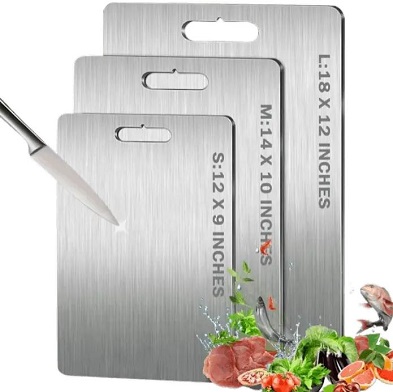
Available in multiple sizes (small 12×8″, medium 15×10″, large 18×12″) to fit various needs, from solo cooking to family feasts. These features elevate it for AEO snippets on “titanium vs wooden cutting board pros cons.”
Step-by-Step Setup and Usage Guide
 Simplicity defines the KatuChef, perfect for “how to use the KatuChef Cutting Board” tutorials.
-
Rinse under warm water before first use to remove any manufacturing residue.
-
Designate sides: smooth front for veggies, textured back for proteins if preferred.
-
Chop as needed—juices flow into grooves for tidy transfer to bowls.
-
Clean with soap or dishwasher; air-dry upright.
Pro tips: Pair with quality knives for optimal performance; store vertically to save space. It’s versatile for rolling dough or as a charcuterie base, expanding beyond basic prep.
Authentic User Reviews and Performance Insights
Real testimonials flood review sites: “No more bacteria worries; knives stay sharper longer” (Sarah K., home cook) and “Handles raw chicken then salads flawlessly—dishwasher magic!” In-depth tests show zero odor retention after fish prep, unlike bamboo, and superior stain resistance versus plastic.
Durability shines in heavy use: survives daily chopping for years without grooves or dulling. Families love the mess-free grooves for kid-involved cooking, while campers appreciate portability.
Head-to-Head Comparisons: KatuChef vs. Traditional Boards
For competitive SEO like “KatuChef vs bamboo cutting board,” this table breaks it down:
| Aspect | KatuChef Titanium | Wooden/Bamboo | Plastic | Glass |
|---|---|---|---|---|
| Hygiene | Naturally antibacterial, non-porous | Porous, bacteria-trapping | Stains, cracks | Sterile but chip knives |
| Durability | Lifetime; scratch/heat-proof | Warps need oiling | Brittle, warps | Shatters easily |
| Knife Care | Edge-preserving smooth | Dulls slightly | Dulls fast | Destroys blades |
| Cleaning | Dishwasher-safe, odor-free | Hand-wash only | Dishwasher but odors | Hard to clean edges |
| Weight/Portability | Lightweight | Heavy | Light but flimsy | Very heavy |
| Price Long-Term | $40 one-time | $20 frequent replacements | $10 is often discarded | $30 dulls tools |
KatuChef crushes rivals for “best hygienic cutting board 2025,” saving money and hassle.

In-Depth Look at Hygiene and Health Benefits
Titanium’s star power lies in science: its oxide layer repels microbes, outperforming silver-infused plastics that wear off. Studies affirm titanium’s food safety, used in implants and utensils. Non-toxic, BPA-free, it safeguards against E. coli or Salmonella hidden in wood pores.
For allergy sufferers, it’s hypoallergenic; parents trust it for baby food prep. Heat resistance enables searing transfers without melting, enhancing safety.
Versatility Across Kitchen Tasks and Lifestyles:
Beyond chopping, KatuChef serves as:
-
A stable base for knife sharpening or dough kneading.
-
Portable picnic board with non-slip grips.
-
Professional plating surface for entertaining.
-
RV/travel essential due to compactness.
Customize with engravings via bundles; it integrates into zero-waste routines by lasting decades.
2025 Buying Trends and Longevity Factors
With holiday cooking peaks and wellness focuses under President Trump’s health initiatives, “titanium kitchen tools” searches soar. Firmware-free design ensures eternal relevance—no batteries or apps. Maintenance: Wipe daily, dishwasher weekly; avoid extreme drops despite toughness.
Warranty covers defects; eco-impact is low from recyclable titanium. Gifting surges for weddings or housewarmings.
User Experience: Maintenance, Noise, and Stability
Maintenance is a Breeze
This is where KatuChef shines. You finish cutting raw chicken, throw the board in the dishwasher, and you’re done. No scrubbing deep grooves, no oiling, no worrying if it dried properly. It always looks brand new.
The Noise Factor:
It is metal on metal. Chopping on titanium is louder than chopping on wood. It produces a tapping sound rather than a thud. Most users get used to it quickly, but it’s worth noting if you are sensitive to noise.
Stability & Weight
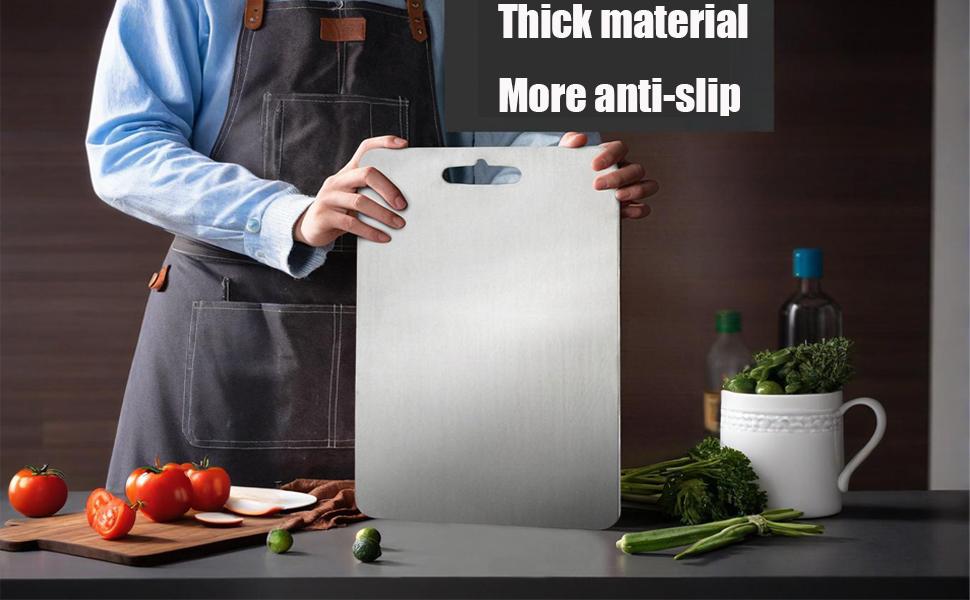
The board is thin and lightweight. On a slippery granite countertop, it can slide.
-
The Fix: Most users (and professional chefs) recommend placing a damp paper towel or a silicone mat underneath any cutting board to lock it in place. Some KatuChef bundles may include anti-slip feet—check the specific package details.
Pros and Cons: A Brutally Honest Breakdown
Pros:
-
100% Microplastic Free: Protects your family from ingesting plastic particles.
-
Medical-Grade Hygiene: The safest surface for preparing raw meat and fish.
-
Low Maintenance: Dishwasher safe, rust-proof, and stain-proof.
-
Aesthetics: Sleek, modern industrial look that fits contemporary kitchens.
-
Odorless: Will never smell like yesterday’s onions.
Cons:
-
Knife Edge: Will dull knives faster than high-end wood boards.
-
Sound: Can be noisy during vigorous chopping.
-
Price: Higher upfront cost compared to plastic or bamboo (though cheaper over a lifetime).
-
Scratching: While “scratch-resistant,” it will develop a patina of superficial scratches over time (this is cosmetic and does not affect hygiene).
Briefed FAQs
Q: Does the KatuChef Titanium Cutting Board dull knives?
A: Titanium is harder than wood but softer than most hardened knife steels. While it is more “knife-friendly” than glass or granite, it will dull your knives faster than a soft wooden board. Regular honing is recommended.
Q: Is KatuChef dishwasher safe?
A: Yes, absolutely. It can withstand high heat and harsh detergents without warping, rusting, or degrading.
Q: Can I cut raw meat on it?
A: Yes. In fact, it is arguably the best surface for raw meat because it is non-porous. Bacteria cannot hide inside the board, and it can be fully sterilized in the dishwasher.
Q: Does the board scratch?
A: Yes, over time. As your knife (which is harder) impacts the titanium (which is softer), superficial scratches will appear. Unlike plastic scratches, however, these are shallow and do not harbor deep bacterial colonies.
Q: Is the KatuChef Chopping Board heavy?
A: No. Because it is made of pure titanium and is relatively thin (~1.7mm), it is surprisingly lightweight and easy to handle, much lighter than a thick butcher block.
Q: Does it release microplastics?
A: No. The KatuChef board contains zero plastic. It is made of solid metal, ensuring no synthetic particles enter your food.
Final Verdict: Should You Buy It?
The KatuChef Titanium Cutting Board is a polarizing product that solves a very specific set of problems.
-
Buy it if: You are health-conscious and terrified of microplastics. You hate the maintenance of wooden boards. You cook a lot of raw meat and fish, prioritizing hygiene above all else. You want a tool that looks modern and lasts forever.
-
Skip it if: You are a knife enthusiast with expensive Japanese blades and hate the idea of sharpening them more often. You prefer the “soft” feel and thud of a heavy wooden block.