
Glorenda Moringa Patch is a heavily marketed “10‑in‑1” nano microneedle weight‑loss patch that makes bold health and metabolic claims without credible scientific proof, and multiple independent reviewers classify it as a high‑risk or scam‑like product.
What Glorenda Moringa Patch Claims
Glorenda is promoted as an advanced nano microneedle patch that delivers moringa, berberine, NAD+, and other ingredients through the skin to support rapid fat loss and metabolic health. Marketing materials claim it can help users lose several pounds in a week, suppress appetite, balance blood sugar, detox the liver, tighten skin, and even mimic GLP‑1 drug effects, often “within 7 days” and without diet or exercise.
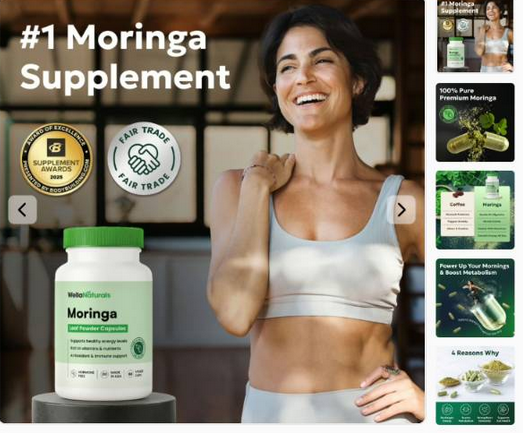
Promotional pages and ads frequently show before‑and‑after photos, dramatic testimonials, and badge walls suggesting “FDA certified,” “clinically proven,” or “hospital‑grade” quality, despite lacking links to real clinical data or regulatory records.
How The Patch Is Supposed To Work
The patch is described as a transdermal microneedle system in which tiny needles penetrate the outer skin layer to “deliver” a blend of herbal and metabolic ingredients directly into the bloodstream. Ingredient lists in ads and sales pages typically mention moringa, berberine, NAD+, and sometimes other plant extracts or vitamins, implying multi‑pathway effects on metabolism, inflammation, and blood sugar.
According to the marketing, wearing a single patch daily or overnight is enough to keep a steady release of these compounds, replacing the need for pills, injections, or lifestyle change. However, there are no peer‑reviewed clinical trials showing that these specific formulations, in patch form, reach effective blood levels in humans.
Scientific Reality Behind The Claims
Current evidence does not support the idea that over‑the‑counter microneedle patches can safely deliver complex mixes like moringa, berberine, NAD+, and GLP‑1‑like actives at therapeutic doses through intact skin. Many of the advertised benefits—rapid fat loss, visible results in a week, and strong GLP‑1‑like effects without medical supervision—conflict with what is known from real obesity and diabetes treatments.
Moringa and berberine have been studied in oral form for potential effects on blood sugar and metabolism, but even those results are moderate and depend on controlled dosing, not simple cosmetic patches. No mainstream medical or regulatory body lists Glorenda or similar patches as approved treatments for weight loss, diabetes, fatty liver disease, or anti‑aging.
Ingredient Profile Of Glorenda Moringa Patch
Glorenda marketing usually centers on a blend of moringa, berberine, NAD+, and a mix of other plant‑based or “cellular support” compounds inside a nano microneedle patch. The product page and ads often describe it as “Moringa · Berberine × NAD+ 10‑in‑1 Advanced Nano Microneedle Patch,” suggesting that multiple actives are combined in each single‑use patch.
Descriptions claim moringa contributes antioxidant and anti‑inflammatory support, berberine is included for blood sugar and metabolic balance, and NAD+ is framed as an “anti‑aging energy cofactor” that can boost cellular metabolism and fat burning. Some promotions also mention apple cider vinegar, herbal detox agents, and joint or heart support ingredients, implying the patch targets far more than just weight loss.

What Moringa Actually Does
Moringa oleifera is a tree whose leaves, seeds, and pods are used in traditional medicine and as a nutrient‑rich food. Research suggests moringa may provide antioxidants, support healthy inflammation levels, and help protect organs such as the liver under certain conditions, though most data involve oral intake rather than topical delivery.
Studies have looked at moringa for possible effects on blood sugar, cholesterol, and general nutritional support in people with metabolic issues, but results are mixed and depend heavily on dose, preparation, and long‑term lifestyle. There is no high‑quality clinical evidence that moringa, when placed in a cosmetic‑style patch, can cause dramatic weight loss in days or reverse chronic conditions on its own.
What Berberine And NAD+ Really Offer
Berberine is a plant alkaloid found in several herbs, and it has been studied for its potential to modestly improve blood glucose and lipid profiles when taken orally under medical guidance. Even in those settings, effects tend to be gradual and require consistent dosing; they are nowhere near the “lose 6–8 pounds in a week without diet” claims used in Glorenda marketing.
NAD+ (nicotinamide adenine dinucleotide) is a coenzyme involved in energy production and cellular repair, and interest in NAD+ supplements has grown in the context of aging and metabolism. However, reliable clinical benefits for weight loss or diabetes management are not established for over‑the‑counter NAD+ products, let alone for experimental transdermal microneedle patches sold online. Reviewers emphasize that attaching NAD+ or “cellular rejuvenation” buzzwords to a patch does not substitute for real pharmacology or regulatory approval.
Marketing Tactics Used Around Glorenda
Many Glorenda campaigns follow a predictable high‑pressure sales playbook. Landing pages often show crossed‑out “original” prices near 100 dollars, with “today only” discounts bringing the cost down to 20–30 dollars per box, plus extra reductions for multi‑pack orders.
Scarcity and urgency are created with countdown timers, “only X left in stock,” and pop‑up notifications showing supposed real‑time purchases. Product descriptions stack claims for weight loss, blood sugar, joint comfort, heart support, skin tightening, and more into a single patch, a pattern cited by independent reviewers as a classic red flag for too‑good‑to‑be‑true wellness offers.
How Glorenda Compares To Evidence‑Based Options
When compared with medical‑grade options for obesity or metabolic disease—such as GLP‑1 receptor agonists, structured diet and exercise programs, or physician‑guided oral medications—Glorenda patches do not meet basic standards of evidence. Authentic GLP‑1 drugs have large clinical trials, defined dosing, known side‑effect profiles, and are prescribed under medical supervision, whereas Glorenda provides none of this for its claimed GLP‑1‑like effects.
Trusted obesity management approaches focus on gradual fat loss, risk‑factor control, and long‑term habit change rather than instant transformation. For readers researching weight‑loss aids, reviewers urge prioritizing solutions backed by verifiable studies, regulatory oversight, and transparent ingredient/dosage information instead of marketing‑heavy patches that promise “all‑in‑one” results.
Red Flags And Scam Indicators
Multiple independent cyber‑safety and scam‑tracking sites classify Glorenda‑branded metabolic and microneedle patches as deceptive or scam products. Common red flags include newly registered, low‑transparency domains; blocked text copying; fake‑looking reviews; and disappearing or rebranded sales sites.
The campaigns often use aggressive tactics such as huge “80% off today” offers, countdown timers, “only X patches left,” and bundles that push buyers to purchase multi‑month supplies in a single transaction. Reviewers also note misuse of logos and badges such as FDA, NHS, or well‑known pharmacy chains, presented in ways that imply endorsements which cannot be verified.
Safety, Refunds, And Smarter Alternatives
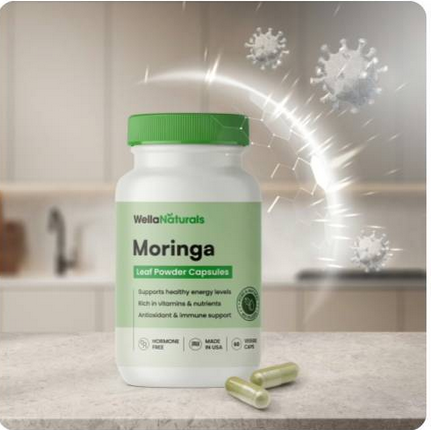
Because the real manufacturer, quality controls, and ingredient dosages are unclear, consumers cannot reliably judge the safety of Glorenda Moringa Patch, especially if they have existing medical conditions or take prescription drugs. Reports on similar patch scams suggest that advertised “180‑day money‑back guarantees” may be difficult or impossible to use in practice, with limited or unresponsive customer support.
For sustainable weight loss or metabolic support, experts consistently recommend evidence‑based approaches such as medically supervised GLP‑1 injections, clinically tested medications, and structured nutrition and exercise programs rather than unproven patches with exaggerated promises. Consulting a licensed healthcare professional before trying any weight‑loss or metabolic product remains the safest and most reliable option.