
EpiCooler is marketed as a next‑generation portable climate device that combines fast personal cooling, space heating, and energy‑efficient operation in a single, compact unit without any permanent AC installation. It targets renters, small homes, home offices, and bedrooms with a plug‑and‑play design, multi‑speed fan, oscillation, and digital controls that promise year‑round comfort while using far less power than traditional air conditioners or heaters.
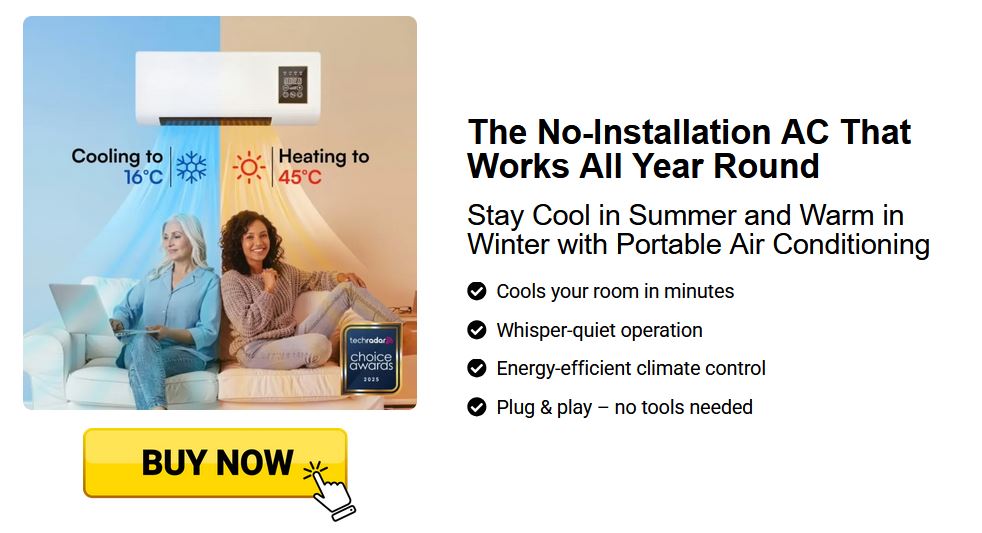
What is EpiCooler Portable AC?
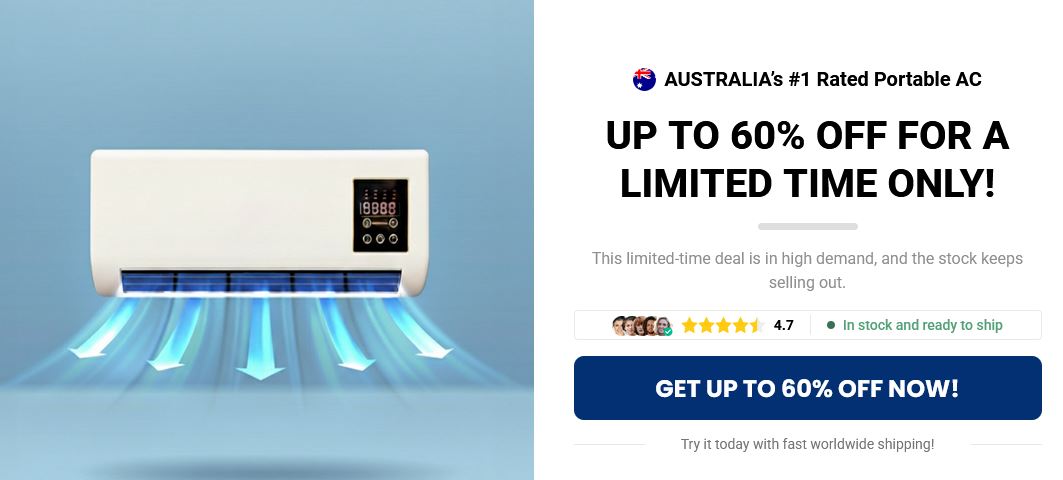
EpiCooler is a dual‑mode portable climate appliance designed to act as both a personal air cooler in summer and a compact space heater in colder seasons. Rather than relying on window mounts, refrigerant lines, or complex split‑system installation, it uses an internal thermal exchange system and targeted airflow to adjust the temperature in the immediate area around the user.
The device is positioned as a flexible alternative to conventional AC and fixed heaters, focusing on localized comfort—your desk, sofa area, or bedside—rather than whole‑house climate control. This makes it particularly appealing to people who want fast relief from heat or cold without renovation costs or landlord approval.
Decoding the EpiCooler—More Than Just a Portable AC
The designation “portable AC” often carries the baggage of previous generations: heavy units requiring awkward hoses, window attachments, and complex drainage. The EpiCooler breaks this mold entirely, introducing a streamlined, self-contained system that challenges the very definition of a personal climate appliance.
The Dual-Mode Distinction: Cooling and Heating in One Device
The single most defining feature of the EpiCooler is its dual-mode functionality. Unlike typical portable AC units that become useless during the winter, the EpiCooler seamlessly transitions between its Cool Mode and its Heat Mode.
This year-round utility offers immense value. Instead of storing a heater for summer and an AC unit for winter, users rely on a single, compact device. This versatility is crucial for seasonal climates where temperature swings are common, allowing the user to switch from cooling relief on a hot afternoon to supplemental warmth on a chilly evening with the simple press of a button.
Key Features and Specifications:
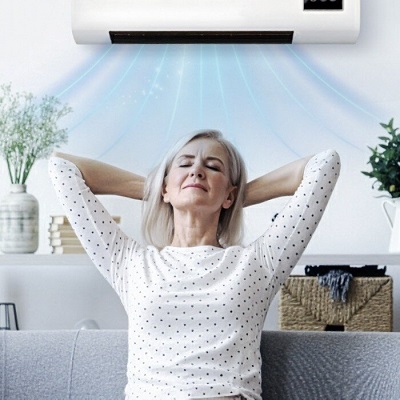 According to product announcements and promotional reviews, EpiCooler integrates a collection of features aimed at usability, performance, and energy savings.
-
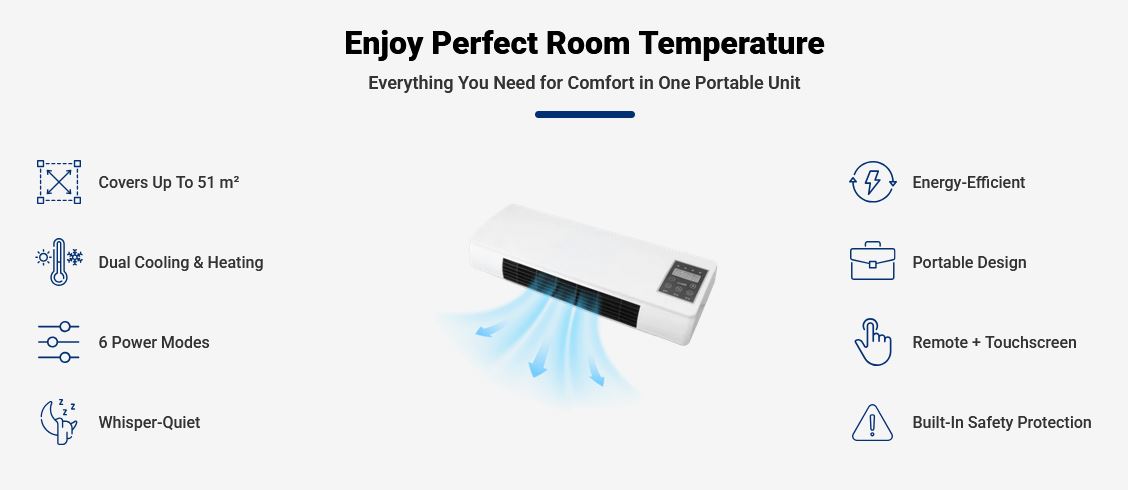
Dual‑mode operation: dedicated Cooling and Heating modes in one device for year‑round use.
-
Multi‑speed fan: several airflow levels to switch between powerful cooling/warming and gentle background comfort.
-
Oscillation: automatic swing to spread air more evenly across an area up to roughly 51 m² in marketing materials.
-
Digital controls: touchscreen panel plus remote control for temperature mode, fan speed, timer, and oscillation.
-
Quiet motor: “whisper‑quiet” operation suitable for bedrooms, nurseries, offices, and study spaces.
-
Plug‑and‑play setup: no drilling, vents, or window kits—just plug into a power outlet and select the mode.
-
Energy‑optimized circuitry: power modulation that adjusts consumption to mode and speed settings to reduce electricity use.
Exact electrical ratings (wattage, BTU equivalent, or EER values) are not clearly detailed on many sales pages, which is important context when setting expectations about whole‑room versus personal cooling capabilities.
How EpiCooler Works?
EpiCooler’s internal design uses a compact thermal engine that channels air through specialized pathways where it is either cooled or warmed before being pushed back into the room. In cooling mode, the device moves air across internal elements designed to create a cooler airflow stream directed toward the user, emphasizing rapid, localized comfort rather than deep, whole‑room refrigeration.
In heating mode, a calibrated heating element raises air temperature quickly and distributes warmed air through the same ducting system, aiming for stable, gentle warmth without overheating small spaces. Sensors and a digital control module regulate fan speed, thermal output, and safety limits (such as overheat protection), while oscillation and airflow design help spread air without requiring the unit to be repositioned constantly.
Because it is a self‑contained appliance without external condensers or refrigerant piping, EpiCooler can be moved between rooms and used wherever a standard wall outlet is available. This mobility is a key differentiator compared with fixed AC or hard‑wired heating.

Design, Build, and Portability
EpiCooler is described as lightweight, compact, and easy to relocate, making it suitable for multi‑room use throughout the day. Users can keep it on a desk while working, shift it to the living room in the evening, and then place it by the bed to maintain a comfortable micro‑climate overnight.
The device typically includes:
-
Integrated handle or compact body for easier carrying.
-
A stable base to reduce tipping risk when placed on floors or surfaces.
-
Simple power cable management so it can be plugged in anywhere with minimal clutter.
Aesthetic design focuses on blending with modern interiors, often with neutral colors and soft edges, so it does not dominate small spaces visually.
Cooling and Heating Performance
Marketing materials highlight EpiCooler’s ability to provide “instant” or very fast temperature relief, particularly in personal zones like near a chair or bed. User‑style reviews emphasize that, when positioned close, the device can noticeably reduce perceived heat or cold within minutes by delivering directed airflow at the desired temperature mode.
However, independent reviews caution that EpiCooler is not a full‑scale air conditioner with a compressor and refrigerant, and therefore cannot realistically cool large rooms as aggressively as a true AC system. It is better understood as a powerful personal cooler/heater—similar in size to other compact climate gadgets—rather than a replacement for central or high‑BTU window units.
This distinction is essential for accurate user expectations: EpiCooler is most effective when used in:
-
Small to medium rooms with the unit placed relatively close to the user.
-
Situations where directional airflow and localized comfort matter more than uniform whole‑room temperature control.
Energy Efficiency and Cost Savings
A major selling point is energy efficiency and the potential to reduce overall power bills by cooling or heating only the occupied area rather than running whole‑home systems.
Key energy‑related claims and design cues include:
-
Optimized power modulation circuitry that scales consumption to the selected fan speed and mode.
-
No compressor‑based refrigeration, which generally lowers typical wattage compared with full AC systems.
-
Marketing messages suggesting that, when used as a targeted solution, EpiCooler can reduce cooling or heating expenses substantially versus central HVAC—though specific savings percentages depend heavily on user behavior and local energy prices.
Independent analysis notes that while any small, focused device often uses less electricity than whole‑home systems, the exact savings will vary; users should view claims of dramatic bill reductions as optimistic estimates rather than guaranteed outcomes.
Ease of Use and Controls
EpiCooler is designed for straightforward, everyday operation that does not require technical knowledge.
Control features include:
-
Touchscreen panel on the unit for direct interaction.
-
Remote control with buttons for mode, fan speed, oscillation, and timer.
-
Multiple pre‑configured modes and speeds so users can set “sleep,” “normal,” or “turbo”‑style airflow quickly.
-
Timer functions allow automatic shut‑off after a set period, helpful for nighttime or limited‑time use.
These elements make it practical for older adults, busy professionals, students, or anyone who wants to “set and forget” a climate device without dealing with complex thermostats or app ecosystems.
Safety Features:
Safety is woven into EpiCooler’s promotional specification set, with an emphasis on safe operation in homes, small apartments, and offices.
Notable safety considerations mentioned in product write‑ups include:
-
Overheat protection to reduce risk if internal temperatures rise beyond safe thresholds.
-
Stable base and balanced design to minimize tipping on level surfaces.
-
Structured ventilation channels that maintain adequate airflow through the device and prevent blocked exhaust issues.
As with all electric climate products, users are advised to follow standard safety guidelines: keep units away from water, avoid covering vents, and unplug when not in use or during extended absences.
Pros and Cons of Epi Cooler:
A balanced overview of strengths and limitations can help readers decide if this portable AC/heater fits their needs.
| Aspect | Pros | Cons |
|---|---|---|
| Installation | No installation, drilling, or window kit; true plug‑and‑play convenience. | Not integrated into home thermostat systems; manual placement and control required. |
| Portability | Lightweight and easy to move between rooms; ideal for renters and small spaces. | Effectiveness drops with distance and in very large, open‑plan areas. |
| Functionality | Dual cooling and heating modes, multi‑speed fan, oscillation, and timer. | Limited by fan‑based design; not equivalent to full compressor‑based AC for whole‑room cooling. |
| Noise | Whisper‑quiet settings suitable for bedrooms and offices. | Higher speeds may be audible in very quiet environments, similar to other fan‑style devices. |
| Energy Use | Lower power draw than central AC or large heaters, with power modulation for efficiency. | Real‑world bill savings depend on usage patterns; bold marketing numbers may be optimistic. |
| Value | Multi‑season use (summer cooling and winter warming) from one appliance. | Some reviewers question the value if purchased at high promotional pricing versus generic alternatives. |
This table supports a realistic but still positive picture: EpiCooler works best as a personal climate solution, not a magic replacement for all home heating and cooling.
Real User Feedback and Independent Reviews:
Third‑party blogs and video reviewers have scrutinized EpiCooler’s marketing claims and practical performance.
Positive‑leaning assessments highlight:
-
Noticeable comfort improvement when placed near the user in hot or stuffy rooms.
-
Quiet running on low settings, making it viable for sleep or concentration.
-
Genuine portability—many users appreciate being able to move it between workspaces and bedrooms easily.
Critical reviews raise concerns about:
-
Overstated claims such as “cooling/heating 51 m² like a full AC” conflict with the device’s size and design.
-
Lack of detailed, transparent technical specs (e.g., BTUs, exact wattage, lab‑verified EER ratings) on some sales pages.
-
Aggressive marketing tactics—heavy discounts, countdown timers, and rebranded clones are common in the broader portable heater/cooler niche.
Prospective buyers should weigh official claims against independent tests and consider their own room size, climate, and expectations.
Best Use Cases for EpiCooler:
EpiCooler tends to provide the most value in specific scenarios rather than trying to replace an entire home’s HVAC.
Ideal use cases include:
-
Renters who cannot install window ACs or wall heaters but need localized comfort in a few key rooms.
-
Home offices where targeted cooling during work hours can reduce reliance on whole‑house AC.
-
Bedrooms that get stuffy or cold at night, where quiet, directed airflow improves sleep quality.
-
Small studios, dorm rooms, cabins, or granny flats are where compact, movable climate solutions are preferred.
In very hot climates or large open‑plan homes, EpiCooler should be seen as a supplemental comfort device alongside other cooling strategies.
Tips to Maximize Performance:
To get the best results from an EpiCooler Portable AC, practical setup and expectations are key.
-
Place the unit within a few meters of where you sit or sleep so you benefit directly from the airflow.
-
Use higher speeds and oscillation to quickly change how the air feels, then shift to quieter, lower speeds for maintenance and sleep.
-
Close doors and windows in smaller rooms when possible to keep temperature changes more noticeable.
-
Use timer modes at night to prevent overuse and further support energy savings.
-
Keep intake and exhaust vents clear of obstructions and dust to maintain airflow efficiency.
These simple steps align with general best practices for portable climate devices and can enhance both perceived comfort and running costs.
Buying Considerations and Where to Purchase
Official sales funnels and partner pages for EpiCooler often promote time‑limited discounts, bundle offers, and regional landing pages (such as targeted pages for Australia). Purchasing through the official or authorized sites gives access to the published warranty, returns policy, and customer support channels tied to that specific campaign.
Before buying, it is wise to:
-
Review the exact terms for returns, refunds, and any restocking or shipping fees.
-
Check for independent reviews and confirm that the site’s company details and contact information are transparent.
-
Compare pricing with similar devices to ensure the offer represents good value for the features.
This due diligence is especially important in the portable heater/cooler niche, where rebranded devices and aggressive marketing are common.
FAQs about EpiCooler Portable AC
Q. Is EpiCooler a real air conditioner?
EpiCooler is a portable climate device with dual cooling and heating modes, but independent reviewers emphasize that it does not include a full compressor‑based refrigeration system like traditional AC units. It is best described as an advanced personal cooler/heater that improves comfort in the area around you rather than a direct replacement for high‑BTU air conditioners.
Q. What is the recommended room size for EpiCooler?
Marketing materials reference coverage up to roughly 51 m², but realistic performance is strongest in small to medium rooms where the unit is positioned close to the user. For very large spaces or open plans, it should be used as a supplemental device alongside other cooling or heating solutions.
Q. Does EpiCooler really save on energy bills?
Because EpiCooler focuses on localized comfort, it generally uses less power than running central AC or large heaters to condition an entire home, which can translate into savings if you primarily cool or heat only occupied zones. However, actual bill reductions depend heavily on local rates, climate, and how often you run other systems, so any quoted savings percentages should be viewed as illustrative rather than guaranteed.
Q. Is EpiCooler noisy?
EpiCooler is promoted as having a whisper‑quiet motor, with low‑speed modes suitable for night‑time use in bedrooms and for quiet workspaces. At higher fan speeds, it produces more audible airflow—similar to other fan‑based devices—, but most reviews consider noise levels acceptable for everyday home use.
Q. Does EpiCooler require installation or maintenance?
No permanent installation is required; users simply plug the unit into a wall outlet and select the desired mode and speed. Routine maintenance generally involves keeping vents clear of dust and ensuring adequate space around the device for proper airflow, with no complex servicing needed for typical household use.
Q. Is EpiCooler legit or a scam?
EpiCooler is a real physical product sold through multiple campaigns, and some users report genuine comfort benefits when using it as a personal climate device. At the same time, independent reviewers warn that some marketing claims—such as “5‑second room cooling” or full‑room AC‑level performance—are exaggerated compared to what a compact fan‑based device can realistically deliver, so buyers should match expectations to its true capabilities.
Q. Who is EpiCooler best suited for?
EpiCooler is most suitable for renters, students, and homeowners who want targeted cooling or heating in specific spots like desks, bedrooms, and small living areas without installing permanent AC or heaters. It is also a good fit for people who value portability, quiet operation, and simplified controls over complex thermostat systems.
Q. Can I use the EpiCooler year-round?
Yes. EpiCooler is a Dual-Mode device, offering both Cool Mode for rapid cooling in summer and Heat Mode for stable warmth in winter, making it a true year-round climate solution.
Q. How do I maintain the unit?
Maintenance is simple: keep the exterior clean, ensure the vents are unobstructed, and periodically remove and clean the internal filter (if applicable) to maintain optimal performance and airflow quality.
Final Verdict: Is EpiCooler the Future of Personal Climate Control?
The EpiCooler Dual-Mode Portable AC is not just an iteration of existing cooling technology; it is a genuine leap forward. By solving the three biggest pain points of climate control—installation hassle, high energy cost, and single-season utility—it has created a new category: the installation-free, year-round climate device.
For the vast majority of people—renters, small space dwellers, energy-conscious homeowners, and anyone seeking flexible comfort—the EpiCooler represents a superior alternative to fixed central systems and noisy window units. Its combination of powerful, energy-efficient performance (up to 51 m² coverage), whisper-quiet operation, and dual cooling/heating modes positions it as the single most versatile climate solution available today.
The EpiCooler is more than an appliance; it’s an investment in flexible, affordable, and personalized comfort. Backed by a 30-Day Money-Back Guarantee, the barrier to trying this revolutionary technology is virtually nonexistent.